Inner Representation / Mental Representation / Inner Visualization (Internal representation)
Definition
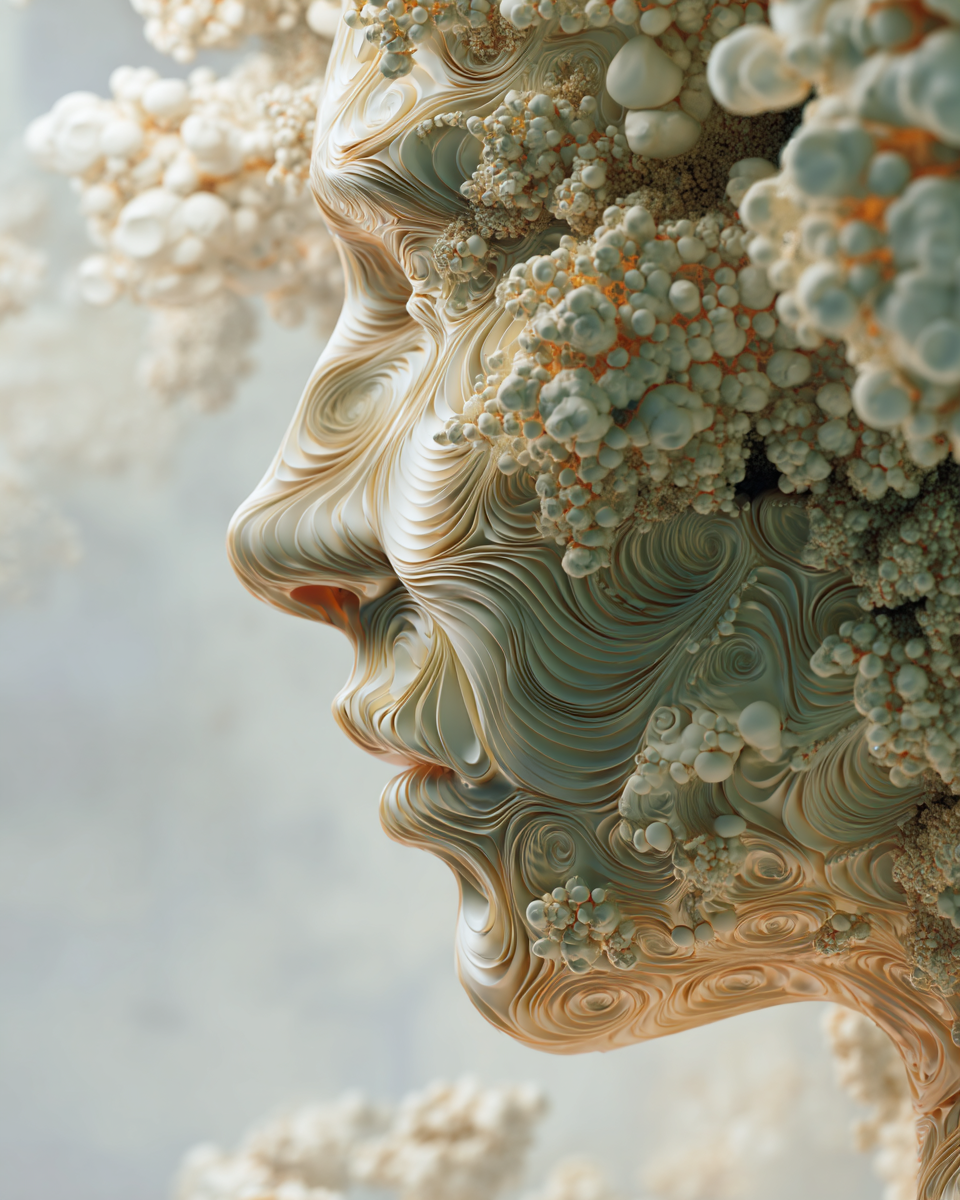
In NLP, it describes the Inner Representation the way in which people internally encode and process their experiences. These internal representations consist of visual, auditory, kinesthetic, olfactory, and gustatory elements (VAKOG) and influence our perception, emotions, and behaviors. NLP considers inner representations as the foundation of subjective experiences and uses them for the targeted change of unwanted patterns.
Origin and Theoretical Background
The concept of inner representation is closely related to cognitive psychology (e.g., Jean Piaget, George Miller). Richard Bandler and John Grinder adapted this concept into NLP and developed techniques for the targeted influence of inner representations to achieve behavioral changes.
The basic assumption is: "The map is not the territory." People do not react to reality itself, but to their inner representation of it.
Application Examples
-
In Coaching:
A client says: "I am afraid of presentations."
Question about inner representation: "How exactly do you imagine the situation?" By changing the inner images (e.g., by enlarging positive elements), fear can be reduced.
-
In Therapy:
A client describes: "I constantly hear a critical inner voice."
Intervention: "What if you made that voice quieter or more humorous?"
Areas of Application
- Therapy: Changing burdensome memories by restructuring the inner images and sounds.
- Coaching: Building resource-rich inner states through conscious control of inner representations.
- Learning processes: Improving memory retention through effective visualization techniques.
- Sports Psychology: Mental training through conscious visualization of movement sequences.
Methods and Exercises
-
Submodalities Change:
Identify the sensory characteristics of an inner representation (e.g., color, volume, distance) and change them purposefully.
-
Anchor technique:
Create a positive inner representation and link it to a specific stimulus (e.g., touching a hand).
-
Disney Strategy:
View a situation from three perspectives: Dreamer, Realist, Critic, to make the inner representation more differentiated.
Synonyms or Related Terms
- Mental Images
- Imagination
- Cognitive Representation
Distinction
In contrast to external representations (such as language or body language), inner representations are subjective and individual. They differ from beliefs as they are primarily sensorily encoded and do not necessarily contain rational evaluation.
Scientific or Practical Benefit
-
Individually:
- Increase self-awareness and conscious control of inner states.
- Improve emotional resilience through targeted change of inner images.
-
Practically:
- Effective use in coaching, therapy, and communication training.
- Enhancement of performance and motivation through mental training.
Studies on cognitive behavioral therapy and imagery therapy show that targeted work with inner representations can positively influence emotional processing.
Criticism or Limitations
-
Scientific validation:
NLP concepts such as inner representations are controversial in academic psychology as they do not always meet the criteria of scientific research.
-
Misunderstandings:
An unprofessional application can lead to unrealistic expectations or emotional overwhelm.
Literature and References
- Bandler, R., & Grinder, J. (1979). Frogs into Princes: Neuro Linguistic Programming. Real People Press.
- Andreas, S., & Andreas, C. (1989). Heart of the Mind: Engaging Your Inner Power. Real People Press.
- Dilg, R. (2012). NLP for Dummies. Wiley-VCH.
Metaphor or Analogy
Imagine your mind is like a home theater. The inner representation is the movie you play there. You can decide whether to choose an exciting action movie or a calming nature film. Sometimes, movies that scare you play, but you have control over the remote and can make the images brighter, quieter, or appear further away.